Business waste rules for Archway shops: disposal tips
If you run a shop in Archway, waste is one of those everyday jobs that quietly becomes a bigger issue than expected. A broken display box, cardboard from deliveries, old packaging, food waste from a deli counter, a worn-out chair, and suddenly the back room looks like a jumble sale nobody asked for. Business waste rules for Archway shops: disposal tips matter because getting disposal right protects your business, keeps your premises tidier, and helps you avoid avoidable headaches.
In practice, the best approach is simple: separate waste early, know what counts as commercial waste, keep clear records, and use a disposal method that fits the type and volume of waste your shop creates. This guide walks through the rules, the risks, and the practical steps that actually work on a busy high street, where space is tight and time is always short.
We will also look at when a shop should bring in a professional clearance service, how to handle bulky items and mixed loads, and what common mistakes catch small retailers out. Nothing overly fancy. Just clear, useful advice you can act on straight away.
To help you move around quickly, here is a simple guide to the sections below.
- Why the rules matter for Archway shops
- How shop waste disposal works
- Key benefits and practical advantages
- Who this is for and when it makes sense
- Step-by-step guidance
- Expert tips for better results
- Common mistakes to avoid
- Tools, resources and recommendations
- Law, compliance, standards and best practice
- Options, methods or comparison table
- Case study or real-world example
- Practical checklist
- Conclusion
- Frequently asked questions
Why Business waste rules for Archway shops: disposal tips Matters
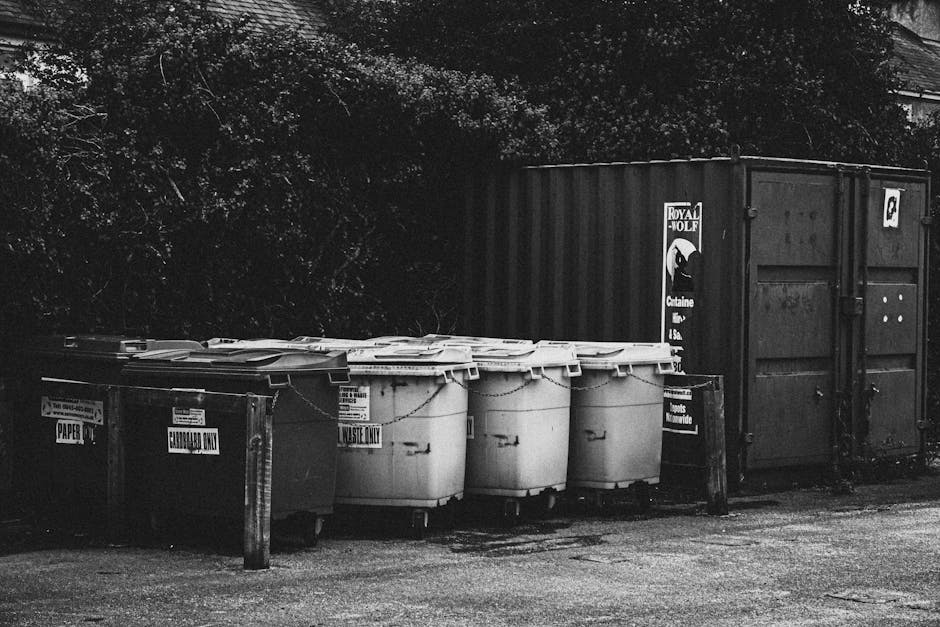
Shop waste is not just "rubbish". In the UK, commercial waste is treated differently from household waste, and that distinction matters even for small independent businesses. If you manage a retail unit, cafe, salon, takeaway, convenience store, or boutique in Archway, the waste you produce is part of your business operations, which means it needs the right handling from the start.
The first reason this matters is cleanliness. A small pile of cardboard or a couple of broken fixtures can quickly turn into a fire hazard, an access problem, or a pest issue. The second reason is reputation. Customers do notice the state of the back entrance, the kerbside, and the area around a shop. Nobody says much, but they notice. And if your bins overflow at 8.30 on a Tuesday morning, the whole place feels less cared for.
There is also the compliance side. Businesses are expected to take reasonable steps to store, separate, and transfer waste properly. If waste is collected by the wrong person or dumped without the right paperwork, the responsibility can still land on the business that produced it. That is the bit people sometimes miss.
For Archway shops, space is another issue. Many local premises are compact, with limited yard space and narrow access. So disposal tips are not just about rules; they are about fitting waste handling into the rhythm of a real shop day. You need a process that works when deliveries arrive, staff are busy, and the place is open to the public.
Expert summary: The safest, cleanest approach is to separate waste early, use a reliable collection route, keep basic records, and treat bulky or mixed waste as a planned job rather than an afterthought.
How Business waste rules for Archway shops: disposal tips Works
Most shop waste handling follows the same practical pattern. First, identify the waste type. Then keep it separate. Then arrange collection or disposal through a suitable route. The details vary depending on whether you are dealing with cardboard, packaging, food waste, damaged stock, shelving, display units, or end-of-life equipment.
In everyday terms, here is how it usually works for a small shop in Archway:
- Waste is created on site from deliveries, trading activity, customer service, maintenance, or refits.
- It is sorted into categories such as dry mixed recycling, cardboard, general waste, and bulky items.
- It is stored safely so it does not block access or create a nuisance.
- It is collected or removed by a suitable waste carrier or through another approved disposal route.
- Any required documentation is kept on file, especially for regular business waste transfers.
That sounds neat on paper, and sometimes it is. In the real world, a shop manager might be opening crates at lunchtime while trying to free up space for a delivery. A cafe might have food waste, packaging, and broken furniture all in one back room. A gift shop might have mountains of cardboard on a Friday and almost nothing by Sunday. So the system has to be practical, not perfect.
The most efficient setup is usually one that reduces the number of times waste gets moved around. If you can flatten cardboard straight away, store recyclables in labelled containers, and isolate awkward items as soon as they are identified, the whole process becomes easier. Less lifting, less clutter, fewer mistakes. Simple, really.
For larger clear-outs or mixed loads, a business waste removal service can be a useful option. If your premises are being reorganised, restocked, or partially refitted, it may be more efficient to combine regular disposal with a one-off removal visit. That is where business waste removal support can make life easier, especially if you do not want staff spending hours loading and sorting waste instead of serving customers.
Key Benefits and Practical Advantages
Following proper waste rules is not just about avoiding trouble. Done well, it makes the business run better. You feel it in the small things first: fewer trip hazards, less last-minute panic, cleaner floors, and a back-of-house area that actually stays usable.
Here are the main benefits shop owners tend to notice.
- Safer working conditions: Waste piled in corridors or stockrooms can create real hazards, especially in small premises.
- Better use of space: If you run a busy shop, every square metre matters. Good disposal habits keep storage areas functional.
- Cleaner customer impression: People notice order. They also notice mess, even if only for a split second.
- More efficient recycling: Segregating cardboard, plastics, and general waste can reduce contamination and improve recycling outcomes.
- Less stress for staff: Clear rules mean fewer arguments about where something goes. That may sound minor, but it helps.
- Lower risk of costly mistakes: Using the wrong disposal route or mixing waste carelessly can create avoidable problems.
There is a nice side effect too: when waste is handled properly, staff often become more organised about everything else. Clean workspaces tend to encourage cleaner habits. It is a small shift, but it can change the feel of a shop.
For businesses replacing fixtures or getting rid of old display furniture, it can also be useful to look at the right disposal pathway for bulky items. If the issue is damaged counters, shelving, or customer seating, a dedicated furniture disposal service may be the tidiest way to remove them without turning the shop into a temporary storage shed.
Who This Is For and When It Makes Sense
This topic is relevant to a wide mix of Archway businesses, but it is especially useful if you manage a premises where waste builds up fast or changes often.
You will likely need this guidance if you run:
- a convenience store or mini-mart
- a cafe, bakery, or takeaway
- a salon, barbershop, or beauty business
- a fashion or gift shop
- a local grocer or delicatessen
- a pharmacy or small health-related retail unit
- a shop with a stockroom, basement, or upper-floor storage area
- a business preparing for a refurbishment or stock reset
It also matters if your shop creates more than just standard bin waste. For example, maybe you are replacing shelving, clearing old packaging, removing damaged stock, or dealing with the remains of a long-overdue tidy-up. That is where a straightforward waste routine can save a lot of effort.
Sometimes the trigger is seasonal. Christmas stock, January clearance, summer garden product displays, back-to-school boxes, a delivery backlog after a bank holiday. Other times it is something more ordinary: a rota change, a stockroom rearrangement, or a new manager who wants the place sorted properly. Fair enough. Most people do.
If your shop's waste situation is linked to a bigger premises clear-out, you may also find it helpful to think beyond day-to-day bins. For example, a wider shop reset can overlap with an office clearance style clean-out if the premises has admin space, back-office furniture, or storage areas that need attention at the same time.
Step-by-Step Guidance
Here is a practical approach you can use right away. No overcomplication. Just the basics done properly.
1. Identify every waste stream
Walk through the shop and list what you throw away in a normal week. Cardboard, food waste, plastic wrap, old packaging, broken hangers, damaged stock, receipts, cleaning materials, and occasional bulky items should all be considered separately. You do not need a fancy audit. A pen and paper will do.
2. Separate waste at the point it is created
This is the easiest way to stop things becoming messy later. Put cardboard where deliveries are opened. Keep food waste away from packaging. Have one place for general waste and another for recyclables. The earlier you separate it, the less you will regret it later.
3. Label bins and storage points clearly
Staff should not have to guess. If a box is for flattened cardboard only, say so. If a bin is for food waste, make that obvious too. It sounds basic, but unclear labels are a surprisingly common cause of contamination.
4. Store waste safely and neatly
Keep waste away from exits, customer routes, heat sources, and anything flammable. In a cramped shop, that might mean using the rear corner of the stockroom or a protected outdoor area. Do not let bags sit around "just for now". That phrase causes more trouble than it should.
5. Arrange the right collection route
For routine waste, use a provider or collection method suited to your waste type and volume. For bulky items, refurbishment debris, or a one-off clearance, consider a dedicated removal service. If the shop has mixed items, it is often easier to bundle the job into one visit rather than string it out over several small trips.
6. Keep records and confirm what was collected
For business waste, basic paperwork or transfer records are often part of good practice. Keep the details organised. Who collected it? What was taken? When did it go? If something ever needs checking later, you will be glad you kept it simple and clear.
7. Review the system monthly
Waste patterns change. So do staff habits. A system that worked in spring may fail in December when deliveries spike. Check what is building up, what is being mixed, and whether the shop layout still makes sense.
Expert Tips for Better Results
In our experience, the best waste systems are not the most elaborate ones. They are the ones people can actually stick to on a busy day. Here are a few tips that make a real difference.
- Flatten cardboard immediately. It takes up less space and stops the stockroom becoming a wall of boxes.
- Use one "decision point" for awkward items. If staff are unsure where something goes, set one holding area rather than letting it drift into the wrong bin.
- Build waste handling into closing routines. A two-minute end-of-day check can prevent tomorrow's mess.
- Keep wet and dry waste apart. Once recyclables get contaminated, they are often harder to manage properly.
- Plan for bulky items in advance. A broken chair or cabinet should not sit in the corner for three weeks because nobody wants to deal with it.
- Think about access. If a collection team needs to pass through a tight doorway or rear alley, clear that route before they arrive. It saves everyone time.
A small local detail matters here: Archway premises often operate in tight urban spaces, with limited back-of-house room and inconsistent delivery windows. So timing can matter as much as the disposal method. Early morning or after-closing collections often work better than trying to squeeze everything into a lunch-hour scramble. Let's face it, lunch-hour is already busy enough.
If your waste includes old shelving, shop chairs, counters, or damaged display units, it may be useful to use a service that handles both collection and responsible disposal. That is where furniture clearance can be a practical option, especially when you want the items gone in one clean sweep rather than in stages.
Common Mistakes to Avoid
Most waste problems in shops come from a handful of very ordinary mistakes. None of them are dramatic. That is what makes them annoying.
- Mixing recyclables with general waste: Once contamination starts, the whole system becomes less efficient.
- Leaving waste in customer-facing areas: Even a small bag tucked near the till can make the space feel untidy.
- Assuming someone else will sort it: If roles are unclear, waste piles up quickly.
- Ignoring bulky items: One broken fixture can become a permanent fixture if nobody owns the problem.
- Using the wrong collection route: Not all waste is treated the same, so one solution does not fit everything.
- Failing to brief new staff: A fresh employee may not know your system unless you show them clearly.
- Letting paperwork drift: Loose records become a nuisance when you need them most.
One more thing: do not treat waste disposal as a once-a-month task if the shop produces waste every day. That is how a small problem becomes a storage problem, then a safety problem, then a morale problem. It snowballs. Quietly, but it does.
Tools, Resources and Recommendations
You do not need specialist software to manage shop waste well, but a few simple tools can make the process much smoother.
| Tool or resource | Why it helps | Best use |
|---|---|---|
| Labelled bins | Reduces confusion and contamination | Everyday sorting in the stockroom or rear area |
| Flattening knife or box cutter | Makes cardboard compact and easier to store | Receiving and unpacking deliveries |
| Simple waste log | Helps track what leaves the premises and when | Regular collections and compliance checks |
| Hand truck or trolley | Safer movement of bulky waste | Moving heavy bags, boxes, or fixtures |
| One designated holding area | Stops awkward items spreading across the shop | Bulky or occasional waste items |
Some shops also benefit from a periodic deep clearance, especially if stockrooms collect old packaging, unused furniture, or outdated display materials over time. If that sounds familiar, a broader waste removal approach can help reset the space and make regular disposal easier afterwards.
If you are comparing providers, look for practical reliability rather than flashy promises. Ask yourself: can they handle mixed loads? Will they clear bulky items safely? Do they understand the access limits of a high-street shop? Can they work around trading hours? Those questions matter more than glossy wording.
Law, Compliance, Standards, or Best Practice
This is the section people often skip, then regret skipping. The legal and operational side does not need to be scary, but it does need respect.
In general, UK businesses are expected to manage commercial waste responsibly. That usually means using an appropriate licensed waste carrier, keeping basic transfer records where required, and ensuring waste is stored and disposed of without causing nuisance or risk. The exact obligations can depend on the type of waste and how it is collected, so if you are unsure, it is sensible to get tailored advice rather than guess.
Best practice for shops usually includes:
- sorting waste by type where practical
- keeping recyclable material clean and separate
- avoiding fly-tipping and informal "favours" from unverified collectors
- storing waste so it does not attract pests or create hazards
- keeping access routes clear for staff and emergency use
- documenting collections and disposal arrangements
There is also a simple trust point here. If a waste collection sounds too cheap or too casual, pause. Businesses should know who is taking the waste and where it is going. No drama, just good sense.
For shop owners wanting a more transparent, environmentally conscious approach, it can also help to read a provider's recycling and sustainability information. That will not replace your own judgement, but it can tell you whether the company takes recovery and responsible disposal seriously.
Options, Methods, or Comparison Table
Different shops need different disposal methods. A small corner store and a busy cafe will not use waste the same way, and that is perfectly normal. Here is a practical comparison.
| Method | Best for | Pros | Trade-offs |
|---|---|---|---|
| Regular bin collection | General daily waste, recyclables, food waste | Simple, familiar, easy to schedule | Can become costly or messy if waste is not sorted well |
| One-off clearance | Bulky items, stockroom resets, shop refits | Fast, clears space quickly, reduces staff workload | May need planning around opening hours and access |
| Self-managed trips | Very small volumes, occasional light waste | Flexible and direct | Takes staff time, may be impractical for heavier waste |
| Mixed-load removal | Multiple waste types after a tidy-up or refurb | Convenient when waste is varied | Needs clear sorting and clear instructions |
To be fair, many shops end up using more than one method. That is usually the smart answer. Daily waste gets handled one way, bulky items another, and occasional clear-outs get planned separately. The goal is not to be clever. The goal is to make waste disappear without disrupting trade.
Case Study or Real-World Example
Imagine a small Archway gift shop preparing for a spring reset. Over a few weeks, the stockroom fills with damaged packaging, seasonal display bits, broken shelves, a wobbly chair for the back office, and a stack of cardboard from fresh deliveries. None of it is extreme on its own. Together, though, it starts to eat the room.
The owner decides to tackle it in stages. First, cardboard is flattened and separated from general waste. Next, broken fixtures are grouped together and taken out of circulation so staff do not keep moving them around. Then a clear collection date is set, with staff told exactly what can go and what must stay. The result is not magic. It is just order.
By the end of the week, the shop feels lighter. The stockroom can breathe again. Deliveries are easier to receive. Staff can find things without moving three unrelated boxes first. And the funny thing is, customers pick up on that atmosphere too. A tidy business feels calmer, even from the doorway.
If the same shop were also replacing old cabinets or admin furniture, it would make sense to combine the clean-up with a more targeted clearance. That is when a route like office clearance becomes relevant, especially if there is back-office furniture, paperwork storage, or mixed workspace clutter involved.
Practical Checklist
Use this checklist before your next disposal run or shop tidy-up.
- Have I identified every waste type the shop creates?
- Are recyclables separated from general waste?
- Is cardboard flattened before storage?
- Are bins labelled clearly enough for staff and temps?
- Is waste kept away from exits, heat, and customer routes?
- Do I know who is responsible for waste each day?
- Are bulky items grouped in one place rather than spread around?
- Do I have the right collection method for the waste type?
- Are records or notes kept for collections where needed?
- Have staff been reminded of the system recently?
- Does the disposal plan still suit the shop's current layout and trading pattern?
Quick reassurance: you do not need a perfect system on day one. You just need a better one than yesterday. That is usually enough to make a visible difference.
Conclusion
Business waste rules for Archway shops: disposal tips are really about keeping your shop safe, tidy, and workable without wasting time or creating avoidable risk. If you separate waste early, keep records simple, and choose the right disposal route for the right job, the whole process becomes far less stressful.
The shops that handle waste best are not always the ones with the biggest budgets. More often, they are the ones with clear habits: flatten the cardboard, label the bins, set one place for awkward items, and clear out bulky waste before it starts breeding in the corner. It is plain old discipline, really. Not glamorous, but effective.
If your premises need a deeper reset, or you are dealing with mixed business waste that no longer fits into a normal routine, plan the job properly and take the pressure off your staff. It makes a surprising difference to the day-to-day feel of the place.
Get a free quote today and see how much you can save.
And if all you do this week is clear one cluttered corner of the stockroom, that is still progress. Small wins count.
Frequently Asked Questions
What counts as business waste in a shop?
Business waste is anything thrown away because of the shop's trading activity. That can include cardboard, packaging, food waste, damaged stock, broken fixtures, old display items, and general rubbish from daily operations.
Can Archway shops put business waste in household bins?
In general, no. Commercial waste should be managed as business waste and handled through the correct disposal route. Using the wrong bins can create compliance issues and may be refused by the collector.
Do small shops need to sort recycling separately?
Yes, where practical. Even small shops usually produce cardboard, plastic wrap, or other recyclable material. Keeping recyclables separate helps reduce contamination and makes disposal more efficient.
How often should a shop review its waste system?
A monthly review is a sensible rhythm for most small businesses, though busy shops may need to check more often during peak periods. Waste patterns change with seasons, promotions, and stock deliveries.
What should I do with broken shop furniture?
Broken chairs, counters, shelving, and similar items should be treated as bulky waste and removed through an appropriate route. If there are several items, a furniture clearance or business waste removal approach can be far easier than handling them one by one.
Is it worth booking a one-off clearance for a small shop?
It can be, especially if you are changing displays, clearing a stockroom, or dealing with mixed waste after a tidy-up. One-off clearance is often the simplest option when waste has built up faster than expected.
What records should a shop keep for waste disposal?
Keep basic details of what was removed, when it was collected, and who took it. The exact paperwork needs can vary, but a clear record trail is always a sensible habit for a business.
How do I stop waste building up in a cramped back room?
Flatten cardboard immediately, separate waste at the point it is created, and use one designated holding area for awkward items. In a tight space, the order you use matters almost as much as the bins themselves.
What are the biggest mistakes shop owners make with waste?
The most common issues are mixing waste types, leaving bulky items unattended, failing to brief staff, and letting collections drift without a clear routine. None of these are complicated, but they create mess quickly.
When should I use professional waste removal instead of handling it in-house?
Use professional help when waste is bulky, mixed, heavy, time-sensitive, or simply too much for staff to manage safely. If the job starts interfering with trading, that is usually your signal.
Can a shop combine furniture disposal with general waste removal?
Often, yes. If you are removing old chairs, shelving, or counters at the same time as general shop waste, combining the job can save time and reduce disruption. It depends on the load, access, and disposal needs.
How can I keep waste handling simple for new staff?
Use clear labels, one-page instructions, and a short walkthrough during induction. If new staff can tell at a glance where things go, the system is much more likely to stick.