Hidden fees to avoid when booking rubbish clearance in Archway
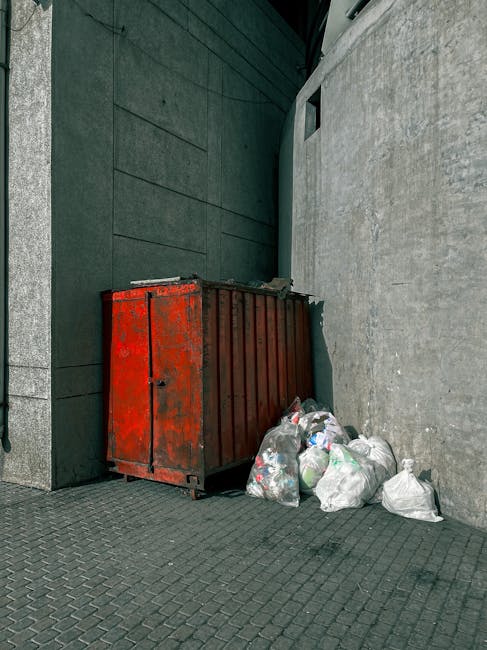
Booking rubbish clearance sounds straightforward until the final invoice lands and a few "small extras" have quietly appeared. That is usually where people feel annoyed, and fair enough. If you are comparing rubbish clearance options in Archway, the real challenge is not just finding a decent price; it is spotting the hidden fees that can turn a simple job into an expensive one. From access charges to vague labour add-ons, the difference between a clean quote and a messy one can be surprisingly large.
This guide breaks down the hidden fees to avoid when booking rubbish clearance in Archway, explains how pricing normally works, and shows you how to ask the right questions before you commit. Whether you are clearing a flat, a loft, a garage, or a post-renovation pile of waste, a little clarity up front can save money, time, and a proper headache later.
Why hidden fees matter in Archway
Archway is the sort of place where no two clearance jobs feel the same. One booking might be a second-floor flat with narrow stairs and limited parking. Another might be a quick garage clear-out after a weekend of sorting boxes, old paint tins, and one broken chair nobody remembers buying. The location matters because access, parking, loading time, and item type can all affect the final cost.
Hidden fees matter because they often sit in the grey area between what you thought you were buying and what the company says it actually quoted for. You may see a low headline price, then discover charges for carrying items down stairs, waiting time, fuel, congestion, heavier waste, or items that were not mentioned when the quote was given. To be fair, some adjustments are reasonable if the job changes. The problem is surprise charges that were never properly explained.
A clear quote should help you compare like with like. If not, you are comparing an honest estimate with a marketing number. That is not really a comparison at all.
If you are planning larger or more specialised removals, it may help to look at the broader service context too, such as general waste removal or specific services like house clearance and flat clearance, because pricing logic can differ depending on the type of job.
How rubbish clearance pricing usually works
Most rubbish clearance quotes are based on some combination of volume, weight, item type, labour, and access. The cleaner the information you give at the start, the less room there is for a nasty surprise later. That is the simple version. The real-world version is a bit more tangled.
Here is the usual flow:
- You describe the waste, ideally with photos.
- The company estimates how much space the load will take up, or what it will cost to remove.
- They factor in labour, transport, disposal, and any special handling.
- They give you a quote or price range.
- The team arrives, confirms the load, and removes the waste.
- If the job matches the description, the price should stay as agreed.
Where hidden fees creep in is when the original description was incomplete, too vague, or intentionally "bent" to look cheaper. Sometimes people underestimate the amount of waste. Sometimes the company underquotes to win the booking. Either way, the outcome is the same: more money at the end.
A trustworthy provider will usually explain what is included before they arrive. That may involve sorting, lifting, loading, basic sweep-up, transport, disposal, and recycling. If the quote excludes any of those, it should be stated plainly.
Key benefits and practical advantages
Understanding hidden fees is not just about saving money, though that is certainly part of it. It also helps you make better decisions quickly, especially if you are clearing somewhere busy or time-sensitive.
- More accurate budgeting: You know the real cost before you book.
- Less stress on the day: No awkward conversations when the team arrives.
- Better provider comparison: You can compare genuine value rather than headline prices.
- Faster booking decisions: You are less likely to get stuck in back-and-forth clarification.
- Lower risk of disputes: Clear expectations reduce misunderstandings.
There is also a practical upside that people overlook: when you understand pricing properly, you often end up preparing the waste more efficiently. A little sorting before collection can reduce labour time, minimise the load size, and avoid a charge for items that should have been separated from the start. Small win, but it adds up.
And yes, the peace of mind is real. Nobody wants to be negotiating about a sofa at the front door while neighbours are walking past and the van is idling outside. Let's face it, that is not a fun moment.
Who this is for and when it makes sense
This topic matters for anyone booking rubbish clearance in Archway, but it is especially useful if you are:
- clearing a rented flat before moving out
- emptying a loft, garage, or storage room
- getting rid of old furniture, broken appliances, or mixed household junk
- managing post-refurbishment waste
- arranging a business or office clean-out
- trying to compare quotes from more than one clearance company
If your job is more specific, it can help to look at related services so you understand what a fair price structure might include. For example, a move involving awkward furniture may be priced differently from a standard clearance, and a building job may sit closer to builders waste clearance. Likewise, bulky home items may overlap with furniture disposal or furniture clearance.
If you are dealing with a full property rather than a few items, the service you book may be more relevant as a home or house clearance. That distinction matters because the amount of labour and sorting involved can change the pricing quite a bit.
Step-by-step guidance to avoid surprise costs
If you want the short version: be specific, ask for everything in writing, and do not assume a low quote includes the full job. The slightly longer version is below.
- List everything that needs removing. Include bulky items, loose rubbish, bagged waste, and anything hidden away in cupboards or corners.
- Add access details. Mention stairs, narrow hallways, no lift, permit-only parking, or long carrying distances. That little detail can matter more than people expect.
- Send photos from a few angles. One careful photo is better than three fuzzy ones. If the pile changes between quote and collection, say so.
- Ask what the quote includes. Loading, labour, disposal, sweep-up, VAT, congestion costs, and waiting time should all be clear.
- Check for minimum charges. Sometimes the job is small but still priced at a minimum visit fee.
- Ask about additional-item charges. Some materials cost more to dispose of than general mixed waste.
- Confirm how price changes are handled. If the team finds more waste than expected, what happens then?
- Keep the agreement simple and written down. A message or email confirming the scope is worth its weight in gold.
One useful habit: ask the company to tell you what would make the price go up before they arrive. That one question can prevent a lot of later nonsense.
Hidden fee types worth watching closely
These are the main ones people tend to miss:
- Access fees: added for stairs, tight access, distance from van to property, or no suitable parking.
- Labour overrun charges: if the job takes longer than the quote assumed.
- Heavy or awkward item supplements: for items needing extra people or careful lifting.
- Special waste surcharges: for items that need separate handling or disposal routes.
- Late notice or same-day charges: often linked to urgent bookings.
- Waiting time fees: if access is delayed or the property is not ready.
- Parking or permit costs: especially relevant in built-up parts of London.
None of these are automatically unfair. The issue is whether they were explained before you said yes.
Expert tips for better results
Here is the practical advice that tends to make the biggest difference.
1) Separate what you can before the quote. Mixed waste can be fine, but if there are clearly reusable items, garden waste, or office materials, mention them. Better still, get clarity on how they will be handled. If sustainability matters to you, ask about recycling and sustainability practices before booking.
2) Ask for a clear "what's included" breakdown. A simple sentence like "does this include loading, transport, disposal, and sweep-up?" can save you from assumptions.
3) Watch for suspiciously low headline prices. If one quote is dramatically cheaper, there is usually a reason. Sometimes there are no surprises. Sometimes there are plenty, just waiting.
4) Be honest about the pile. If there is a half-hidden pile behind the shed, mention it. If the loft contains a few extra boxes and a broken wardrobe, say so. Being vague tends to cost more in the end.
5) Think about timing and access. A weekday morning job with easy access is often simpler than a late-afternoon slot when parking is tight and everyone is rushing around.
6) Keep the tone firm but friendly. You do not need to interrogate every provider, but you absolutely should ask sensible questions. That is normal. Good companies expect it.
If you want a useful benchmark for service and pricing transparency, take a look at the company's own pricing and quotes information before you book. It helps you understand how estimates are meant to work.
Common mistakes to avoid
Most surprise charges happen because of a few common habits. None of them are unusual, by the way. People are busy.
- Choosing on headline price alone. The cheapest quote is often the least complete.
- Sending one tiny photo and hoping for the best. It is rarely enough.
- Forgetting access details. A third-floor flat with no lift is not the same as a ground-floor pickup.
- Assuming "all waste" means all waste. It may not include specialist or difficult items.
- Not checking terms and conditions. A quick read can reveal minimum charges, cancellation rules, and payment expectations.
- Leaving it until the last minute. Rush jobs can limit your options and raise the cost.
One of the most frustrating mistakes is booking a service before you understand the payment process. If that is something you worry about, the site's payment and security information is a sensible place to check first. It is a small step, but it makes a booking feel much safer.
There is also a human mistake nobody likes to admit: people sometimes forget what is actually in the pile. The loft can look "mostly empty" until you start moving boxes and suddenly, oh yes, there is a mattress, two bags of tiles, and an old printer. Classic.
Tools, resources and recommendations
You do not need fancy tools to avoid hidden fees. You just need a bit of preparation and the right questions.
- Phone photos: take several from different angles and in good light.
- Simple room-by-room list: note items in the loft, garage, hallway, garden, or office.
- Message or email trail: keep written confirmation of what was quoted.
- Access notes: include parking restrictions, stair counts, lift availability, and entry codes if needed.
- Size reference: compare the waste pile to known objects like a washing machine, sofa, or small wardrobe to help explain scale.
For domestic customers, related services such as loft clearance, garage clearance, and garden clearance can be helpful if the job is more specific than general rubbish removal. For business premises, office clearance or business waste removal may be the better fit.
There is no magic app that replaces a clear conversation, honestly. A well-written description, a few sharp photos, and a quick check of the terms usually do more than any "instant quote" tool ever will.
Law, compliance, standards and best practice
For rubbish clearance, the legal and compliance side matters because waste must be handled responsibly. You do not need to become a waste expert to book safely, but it is wise to use companies that can explain how they manage disposal, transport, and recycling in a straightforward way.
In the UK, waste carriers should be operating responsibly and the job should be handled in line with general waste management expectations. From a customer's point of view, best practice usually means:
- clear written pricing
- honest description of the waste type
- appropriate handling of recyclable or reusable items
- safe lifting and access practices
- transparent payment terms
If a company is vague about disposal or dodges questions about how waste is handled, that is a red flag. The same goes for terms that are impossible to follow. Good service should feel clear, not cryptic.
It can also be useful to read a provider's supporting pages, not just the main service page. For example, about us can give you a sense of how the business presents itself, while terms and conditions may clarify payment, cancellation, and service scope. Not exciting reading, granted, but it can save money.
Another reassuring sign is a visible commitment to safety. If that matters to you, the company's health and safety policy and insurance and safety information are worth a look before you hand over the keys or let anyone into the property.
Options, methods and comparison table
Not every clearance job is booked the same way. Some people want the simplest possible grab-and-go service. Others want a fuller clearance with sorting, lifting, and clean-up. Here is a practical comparison.
| Booking approach | Best for | Risk of hidden fees | What to check first |
|---|---|---|---|
| Phone quote with photos | Standard household or small business jobs | Low to medium | Access details, item list, and what is included |
| On-site estimate | Large, mixed, or awkward loads | Low if the scope is clear | Any minimum charges and price changes after inspection |
| Headline price only | Very simple jobs, if the quote is genuinely complete | High | Every possible add-on and exclusion |
| Full-service clearance package | Busy households, move-outs, and larger properties | Usually lower if well explained | Labour, loading, disposal, sweep-up, and timing |
If the job is part of a bigger clean-out, the most suitable option may be a bundled service such as home clearance or house clearance. These can be more efficient than stitching together several smaller jobs, especially if you are on a deadline.
Case study or real-world example
Here is a realistic example, based on a very common kind of booking.
A couple in Archway needed to clear a one-bedroom flat before handing the keys back. The job looked simple at first: a sofa, a mattress, a few bags of mixed junk, and some broken shelves. They asked for a quick price over the phone and were given a low estimate. The catch? They had not mentioned that the flat was up two flights of stairs, parking was tight, and the sofa was unusually heavy. There was also a small pile in the cupboard they forgot about until the day.
When the team arrived, the price went up because the actual access was harder than expected and there was more waste than originally described. Nobody was trying to be awkward, but the final number felt much less pleasant than the first one.
Now compare that with the same booking done properly. The customer sends photos of every room, explains the stairs, mentions the parking situation, and confirms the full item list in writing. The quote is a little higher at the outset, but it is realistic. On the day, the work starts smoothly, the team knows what they are dealing with, and the customer is not left squinting at an unexpected charge.
That is really the whole game: accurate information at the start prevents arguments at the end.
Practical checklist
Use this before you confirm a rubbish clearance booking in Archway.
- Have I listed all waste items clearly?
- Have I included photos from several angles?
- Have I explained stairs, parking, and access restrictions?
- Have I asked what the quote includes?
- Have I checked for minimum charges or waiting fees?
- Have I asked about heavier or specialist items?
- Have I confirmed whether loading, disposal, and sweep-up are included?
- Have I read the terms and conditions?
- Have I kept the quote in writing?
- Have I checked payment expectations before booking?
Expert summary: The best way to avoid hidden fees is not to chase the cheapest quote, but to book the clearest one. Specific details, written confirmation, and honest access information usually matter more than a flashy headline price.
If you are still comparing options, it is worth reviewing a provider's public pages for clarity and trust signals, including complaints procedure and contact us. That extra bit of checking can make the whole process feel a lot more settled.
Conclusion
Hidden fees to avoid when booking rubbish clearance in Archway usually come down to one thing: unclear expectations. If you describe the job properly, ask what is included, and confirm the details in writing, you dramatically reduce the chances of surprise charges. That is true whether you are clearing a single room, a full property, or a messy mix of bulky waste and old furniture.
The good news is that most of this is easy to control. Take a few photos. Mention the stairs. Ask about access. Check the terms. Be direct. None of that is difficult, and it can save a proper chunk of money and stress.
Get a free quote today and see how much you can save.
And if you are weighing up the broader service picture, remember that a thoughtful, transparent clearance is not just cheaper in the end - it is calmer, cleaner, and a lot easier to live with.
Frequently Asked Questions
What hidden fees are most common with rubbish clearance in Archway?
The most common hidden fees are access charges, labour overrun fees, minimum visit fees, waiting time, parking-related costs, and surcharges for heavier or awkward items. The exact mix depends on the provider and the job details.
How can I tell if a rubbish clearance quote is genuinely all-inclusive?
Ask the company to confirm in writing what the price covers: loading, labour, transport, disposal, recycling, sweep-up, and any extra charges for access or unusual waste. If they are vague, treat that as a warning sign.
Is the cheapest rubbish clearance quote usually the best choice?
Not usually. A very low quote can be fine, but it is often missing something important. The better question is whether the price is complete, clear, and realistic for your exact job.
Do stairs or parking restrictions affect the final price?
They often do. Narrow access, no lift, long carrying distances, or difficult parking can increase the time and effort involved, which may change the quote if those details were not included at the start.
Should I send photos before booking rubbish clearance?
Yes, absolutely. Photos are one of the best ways to reduce misunderstandings. Try to include several angles and show the access route if possible.
Can hidden fees appear after the team arrives?
They can, but they should not appear without a clear reason. If the job is materially different from what was described, a revised price may be fair. If the quote was never clear in the first place, that is where problems begin.
What should I ask before agreeing to a clearance booking?
Ask what the quote includes, whether there is a minimum charge, how access affects pricing, what happens if the load is bigger than expected, and how payment works. A few direct questions usually reveal a lot.
Are furniture items treated differently from general rubbish?
Often, yes. Large furniture can involve extra lifting, loading time, or separate disposal considerations. If you are clearing bulky items, it helps to mention them specifically and consider relevant services such as furniture clearance or furniture disposal.
What if I only have a small amount of waste?
Small jobs can still have a minimum charge, so it is worth checking. If the load is tiny, ask whether there is a smaller service option or whether the provider has a minimum collection fee.
Should I read the terms and conditions before booking?
Yes. It is not the most exciting read, but it often explains the rules around cancellations, payments, exclusions, and job scope. That is exactly where hidden fee surprises tend to hide.
How do I avoid paying for waste that should have been recycled separately?
Be honest about what you have, and ask how the company handles recycling and sorting. If you can separate obvious recyclables or reusable items in advance, that may help keep the job simpler and more cost-effective.
What is the safest way to compare rubbish clearance companies in Archway?
Compare like for like. Use the same photos, the same item list, and the same access details for each quote. Then look at what is included, not just the headline number. That is the fairest way to judge value.
Where can I check service and payment details before I book?
You can review pages such as pricing and quotes, payment and security, terms and conditions, and the complaints procedure to understand how the service is presented before you confirm anything. It takes a few minutes and can prevent a lot of confusion later.