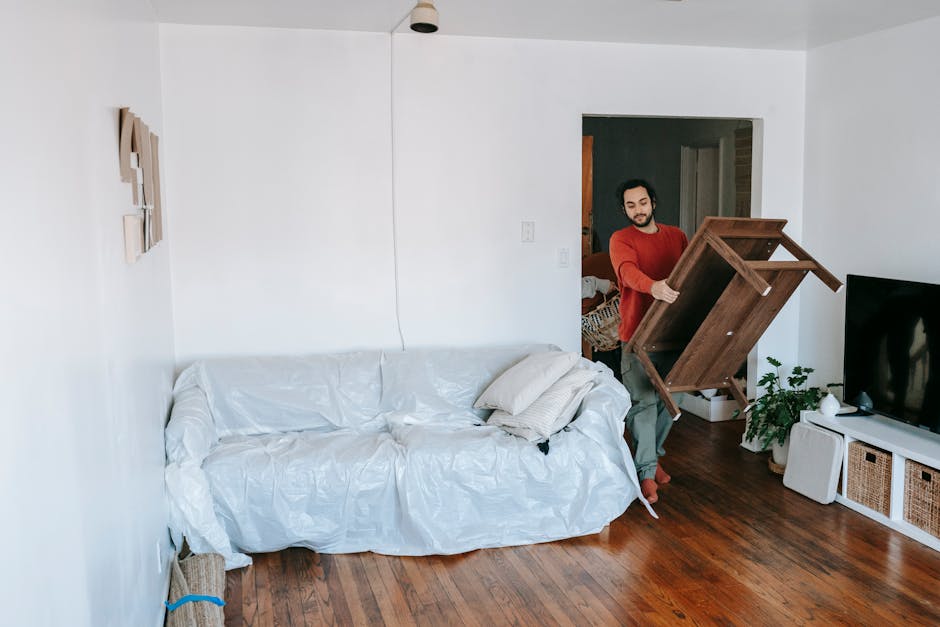
Removing damp-damaged furniture in Archway: quick fixes
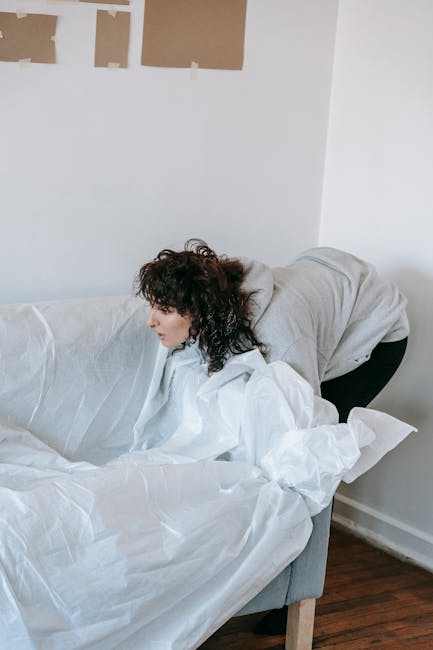
If you have ever lifted a sofa cushion or pulled out a wardrobe and been hit by that musty, cellar-like smell, you already know the feeling. Damp-damaged furniture is one of those problems that seems small at first, then suddenly takes over a room. In Archway, where older buildings, basement flats, and patchy ventilation are part of everyday life, it can crop up fast. This guide on Removing damp-damaged furniture in Archway: quick fixes walks you through what to do now, what not to do, and how to clear the space without making the situation worse.
You will find quick triage steps, removal options, practical comparisons, and a realistic checklist you can use straight away. No fluff. Just the things that help when time is tight and the furniture is already on the turn.
Why Removing damp-damaged furniture in Archway: quick fixes Matters
Damp-damaged furniture is not just a cosmetic issue. Once moisture gets into timber, fabric, foam, chipboard, or veneer, the damage can spread in a way that feels annoyingly quick. A chair might only have a stained leg today, but by next week the smell has moved into the upholstery and the surface has started to swell or split. That is especially true in places with limited airflow, such as tight hallways, shared flats, or rooms that sit cold for much of the day.
There is also the practical side. Furniture that has absorbed moisture can become heavier, harder to move, and less stable. A warped drawer unit may snag on the floor. A wet sofa can leak marks down a stairwell. A wardrobe with hidden mould may release spores when you drag it out, which nobody wants. Let's face it, the whole thing can go from annoying to grim very quickly.
Quick fixes matter because they help you decide what is salvageable, what needs immediate removal, and what should be isolated before it affects the rest of the room. In a busy Archway home or office, that judgement call can save time, reduce mess, and stop a minor damp issue from turning into a full-room clear-out.
If the item is beyond saving, a fast and tidy removal path matters even more. In those cases, a broader service like furniture disposal can be a sensible next step, especially if you want the item gone without turning your day upside down.
How Removing damp-damaged furniture in Archway: quick fixes Works
The process is simple in principle, though not always simple in practice. First, you identify the item and the type of damp damage. Then you separate surface moisture from deeper structural damage. After that, you decide whether the furniture can be dried, cleaned, temporarily used, or removed altogether. In real life, this is often a fast judgment call rather than a long technical assessment.
Quick fixes are about containment, sorting, and safe movement. You are trying to stop the damage from spreading, not pretending the item is brand new again. A damp bookshelf may be fine if the back panel has only picked up light moisture. A mattress, upholstered chair, or swollen MDF unit is a different story. Sometimes the honest answer is: out it goes.
For furniture that is still structurally sound, the immediate fix may be as basic as moving it to a dry, ventilated area, wiping down the surface, and using absorbent materials to pull out moisture. For more heavily affected items, the better fix is controlled removal followed by proper disposal or recycling where possible. That is where a service such as furniture clearance can be useful, because it keeps the process efficient rather than dragging on for days.
One thing people often miss: damp furniture rarely lives alone. If a cabinet has gone mouldy, the wall behind it may also be compromised. So while you are dealing with the item, check the surrounding skirting boards, floor covering, and nearby fabrics. A five-minute look can save a lot of hassle later. Tiny inspection. Big difference.
Key Benefits and Practical Advantages
Quick action brings a few clear advantages, and they are not just about appearances.
- Less lingering smell: Musty odours can cling to rooms, curtains, and soft furnishings. Removing the source is often the fastest fix.
- Lower mould risk: Moist furniture can become a home for mould, especially when it stays tucked against a wall or behind a radiator.
- Safer rooms: Warped drawers, soft legs, and weakened joints can make items unstable.
- Cleaner airflow: Clearing damp items improves ventilation around the rest of the room.
- Less disruption: A swift removal is usually easier than trying to rescue a badly damaged item for weeks on end.
There is also a quiet psychological benefit. A damp, damaged item tends to sit there and bother you every time you walk past it. Removing it can make a room feel lighter almost immediately. Not glamorous, sure, but very real.
For households doing a wider clear-out, combining damp furniture removal with a broader home clearance can be a practical way to deal with several tired or damaged items in one go. If the issue is happening in a rental or a more compact property, flat clearance may be the better fit.
Who This Is For and When It Makes Sense
This is for anyone who has spotted that sour smell, dark spotting, or softening in furniture and wants a sensible response rather than guesswork. That could be a tenant in a basement flat, a landlord sorting between tenancies, a homeowner after a leak, or a small business dealing with damaged office storage. The problem looks different in each setting, but the logic is the same.
It makes sense to act quickly when:
- the furniture has been sitting in a damp room for more than a few days
- you can see mould, swelling, staining, or peeling veneer
- the item smells strongly even after basic cleaning
- the furniture is made from chipboard, MDF, or other moisture-sensitive materials
- the item is upholstered and has soaked up water deep inside the padding
- you need the room back in use, fast
Sometimes people try to "wait and see" because the item looks mostly fine. Fair enough, that instinct is human. But if the room is already damp, waiting can just turn a manageable problem into a larger disposal job. So if you are unsure, treat the item as suspect until proven otherwise.
Businesses in Archway also need to think about impression and hygiene. A water-damaged reception chair or storage cabinet can make a workplace feel neglected, even if everything else is spotless. If you are managing an office or shared workspace, a service like office clearance may be more appropriate than piecemeal removal.
Step-by-Step Guidance
Here is a practical way to handle damp-damaged furniture without overcomplicating it.
- Check the damage properly. Look at the surface, underside, joints, and back panel. Smell the item too. That odd earthy smell tells you a lot.
- Move it away from walls and fabrics. If the item is still in the room, separate it from curtains, rugs, and upholstered pieces.
- Decide whether it is salvageable. Light surface damp may dry out. Swelling, mould, or crumbling board usually means removal.
- Protect yourself before touching it. Gloves are sensible, and a mask is worth considering if mould is visible or the smell is strong.
- Contain the mess. Lay down paper or a cover if the item is leaving marks or shedding debris.
- Remove loose contents first. Empty drawers, cushions, shelves, and removable parts before lifting the item.
- Disassemble where practical. Smaller sections are easier to carry and less likely to scrape through hallways or stairwells.
- Dry the surrounding area. Wipe the floor and inspect for hidden damp spots after the item is gone.
- Arrange removal. If the furniture cannot be saved, choose a disposal route that suits the volume and type of item.
That sounds straightforward, and mostly it is. The fiddly bit is often the stairwell or narrow hallway. Anyone who has tried to twist a bloated wardrobe around a corner in an older London property will know the feeling. It never looks as wide as you remember.
If the item is bulky or awkward, you may be better off arranging a dedicated pick-up through waste removal rather than trying to wrestle it yourself. Truth be told, that can be the difference between a 20-minute job and a sore back.
Expert Tips for Better Results
Small decisions make a big difference when damp furniture is involved. Here are the ones that matter most.
- Act early on soft furnishings. Fabric and foam hold moisture far longer than wood. If they smell musty, do not assume they have dried out inside.
- Check hidden surfaces. The back, underside, and drawer runners are often the first places to fail.
- Keep the room ventilated. Open windows where possible and avoid pushing the item back against a cold wall.
- Do not mix damp items with clean furniture. It sounds obvious, but when you are in a rush, people sometimes pile everything together. Bad idea.
- Think about access. If the item needs taking down stairs or through a shared entrance, plan the route first. That reduces damage to walls and flooring.
Another useful habit is to take a quick photo before moving anything. Not for drama, just for memory. Two days later, you may not remember which cupboard was already swollen and which one just looked tired. A photo keeps it simple.
If the damp issue came after renovation or water ingress from a building job, you may also be dealing with rubble, packaging, or broken fittings. In that case, builders waste clearance can help cover the mixed waste side of things as well.
Common Mistakes to Avoid
Some mistakes are so common that they almost become part of the story. Better to sidestep them.
- Trying to save everything. Not all damp damage is reversible. Forcing a rescue job can waste time and spread mould.
- Ignoring the source of damp. If you only remove the furniture but never address the leak, the replacement item may suffer too.
- Dragging items through the home without protection. This can mark floors, stain walls, and spread spores or debris.
- Storing damp furniture in another room. It just relocates the problem.
- Putting upholstered items out for ordinary storage. Once soft furnishings have absorbed moisture deeply, they can smell for ages and may not fully recover.
One more, and this one catches people out: assuming that a unit is safe because the top looks dry. Chipboard and MDF can swell from the inside out. By the time the surface looks fine, the structure may already be weakened. Sneaky stuff, really.
For larger household situations, such as multiple damaged pieces after a leak, a broader house clearance can be a cleaner solution than handling each item separately.
Tools, Resources and Recommendations
You do not need a van full of specialist kit to deal with a damp-damaged item, but a few basics help.
- Gloves: useful for handling dirty, wet, or mould-affected surfaces.
- Face covering: sensible where mould or dust is visible.
- Old towels or absorbent cloths: handy for lifting surface moisture.
- Plastic sheeting or dust sheets: useful for protecting floors and doorways.
- Screwdriver or basic hand tools: helpful if the furniture can be dismantled safely.
- Bin bags or sturdy sacks: for small contaminated contents, not for sharp or heavy waste unless they are suitable.
In terms of recommendations, keep your decision-making simple:
- if the item is lightly damp, dry it quickly and watch for hidden damage
- if mould, swelling, or odour persists, remove it
- if the item is large, heavy, or part of a bigger clear-out, arrange a collection rather than forcing it
If you want to compare disposal options or understand how pricing tends to be approached, the service information on pricing and quotes is worth a look. It helps set expectations before you book anything. And if you care about what happens next, the page on recycling and sustainability explains the broader approach to re-use and responsible disposal.
Law, Compliance, Standards and Best Practice
When damp furniture is being removed, the big thing is to handle waste responsibly and safely. In the UK, households and businesses are generally expected to manage waste carefully and avoid fly-tipping or unsafe disposal. If you are disposing of contaminated or damaged furniture, the most sensible approach is to use a legitimate collection route and keep the process tidy.
For businesses, there is a stronger duty to manage waste properly and keep clear records of what leaves the premises. Even for homeowners, it is worth checking that the collection route is appropriate for the item type. If the furniture contains mould, sharp broken fittings, or is partly soaked through, it should be treated with care during loading and transport.
Best practice also means protecting anyone handling the item. That usually includes clear access paths, gloves, sensible lifting technique, and not leaving damaged furniture in communal areas longer than needed. If you are in a shared building in Archway, that can matter quite a lot. Nobody enjoys finding a damp sofa blocking the landing at 8:00 in the morning.
Where insurance, access, or safety concerns are involved, it is sensible to read up on operational policies and responsibilities in plain English. The pages on health and safety policy and insurance and safety are useful for understanding the kind of care expected around removals.
Options, Methods, or Comparison Table
Not every damp-damaged piece needs the same response. This quick comparison should help you choose the right approach.
| Option | Best for | Pros | Limits |
|---|---|---|---|
| Dry and monitor | Minor surface damp on solid furniture | Quick, low cost, keeps usable items in place | Does not solve hidden mould or structural swelling |
| Clean and isolate | Items with light staining or a short exposure to moisture | Can stop odour spreading, buys time | Not suitable for deep damp, upholstery, or warped board |
| Remove and dispose | Furniture with mould, rot, odour, or loss of structural integrity | Fastest way to reclaim space and reduce risk | Requires suitable disposal route and lifting planning |
| Full clearance | Multiple damaged items or post-leak clean-up | Efficient, tidy, and less disruptive overall | May be more than you need for one small item |
For most people, the decision comes down to one thing: is the item still structurally sound and hygienic enough to keep? If the answer is maybe, you can test, dry, and monitor. If the answer is no, do not hang on to it out of guilt. It is furniture, not a family heirloom from a period drama.
Case Study or Real-World Example
A typical Archway scenario goes like this. A tenant notices a damp smell in a living room after a spell of heavy rain. The source turns out to be a window area that has let moisture in over time. A small sideboard nearby has swollen at the base, and one upholstered chair feels slightly clammy even after the room has been aired out.
At first, the instinct is to wipe everything down and hope for the best. That is understandable. But after checking the furniture more closely, the bottom panel of the sideboard is soft, and the chair still smells musty the next day. In that case, the quicker and cleaner decision is to remove both items, dry the surrounding floor, and keep the rest of the room ventilated while the damp issue is addressed.
What worked well here was speed. The items were not moved around the flat several times. They were assessed once, protected, and cleared in one go. The room felt usable again much sooner, and the smell stopped hanging around in the background. A small thing, maybe, but it makes a home feel liveable again.
If the property needed a bigger tidy-up afterwards, a furniture clearance approach would have made sense because it keeps the process neat and avoids repeated trips through the building.
Practical Checklist
Use this checklist before you decide what to do next.
- Check whether the item smells damp or musty
- Inspect for mould, swelling, staining, or soft spots
- Look under the item and behind panels, not just at the front
- Move the item away from walls and fabrics if it is still indoors
- Protect floors and doorways before moving heavy furniture
- Empty contents and remove detachable parts
- Decide whether the item is salvageable or needs removal
- Choose a disposal route that suits the item size and condition
- Check the surrounding area for signs of persistent damp
- Ventilate the room after removal
Expert summary: if the damage is light and the furniture is structurally sound, dry it fast and monitor it closely. If the item is mouldy, swollen, or deeply damp, removal is usually the smarter call. Quick action keeps the room healthier, easier to use, and far less stressful.
Get a free quote today and see how much you can save.
Conclusion
Removing damp-damaged furniture in Archway is one of those jobs that rewards quick thinking more than perfect planning. You do not need to be an expert to make a good call. Look closely, trust your nose, check the structure, and do not overstay your welcome with items that have clearly turned.
Sometimes the best quick fix is not a repair at all. It is knowing when to let go, clear the space, and stop the damp from spreading into the rest of the room. That is the point where a difficult corner of the home starts to feel manageable again. And honestly, that little bit of breathing room matters more than people think.
Frequently Asked Questions
How do I know if damp-damaged furniture can still be saved?
Check whether the item is only lightly damp on the surface or whether the damage has gone deeper. If it has swollen, smells strongly of mould, or feels soft and unstable, it is usually better to remove it.
Can I just dry out mouldy furniture and keep using it?
Sometimes light surface moisture can be dried out, but mould is different. If mould has set into fabric, foam, or timber, drying alone often does not solve the problem. It may still smell, spread spores, or weaken the item.
What is the quickest fix for a damp sofa or chair?
The quickest fix is usually to remove it from the damp area, assess the extent of the damage, and decide whether it can be safely cleaned or needs disposal. Upholstered furniture often absorbs moisture deeply, so removal is common.
Should I move damp furniture to another room?
Only if it is dry enough not to spread moisture, smell, or mould. Moving a damp item to another room can just move the problem around the property, which is a bit of a false economy.
Is damp-damaged MDF furniture worth repairing?
Sometimes, but often not. MDF and similar board materials swell easily when wet. If the structure has changed shape or the edges have started to break down, repair may not last long.
How fast should I act after finding damp damage?
As fast as you reasonably can. The longer damp furniture stays in place, the more likely mould, odour, and structural damage are to worsen. Even a short delay can make the job harder.
Can I dispose of damp furniture with normal household waste?
That depends on the item and the local collection arrangements. Large furniture usually needs a separate disposal route rather than being left out with ordinary waste. A responsible collection service is often the simplest option.
What if the furniture was damaged by a leak from the roof or wall?
Then it is worth checking the surrounding area as well. Removing the furniture helps, but the leak source still needs attention. Otherwise, the replacement item may end up in the same situation.
Does damp furniture create a health risk?
It can, particularly if mould is visible or the smell is strong. Not every damp item is dangerous, but it is sensible to avoid prolonged contact and to use gloves if you are handling mouldy surfaces.
How do I stop damp smell from spreading after removal?
Ventilate the room, dry the surrounding surfaces, and remove any soft materials that have absorbed the odour. If the smell lingers, there may still be moisture in the room or hidden damage nearby.
What should I do with multiple damp items after a flood or leak?
If several items are affected, it is usually better to arrange a broader clearance rather than deal with them one by one. That keeps the process cleaner and reduces the time the room stays cluttered.
Where can I learn more about responsible disposal and company standards?
You can review the site's pages on about us, recycling and sustainability, and terms and conditions to get a clearer sense of how services are approached and what to expect.